Back to: Linking to Care, Point of Care Testing (POCT). Aotearoa Edition
We have discussed PPE use and removal in this section, along with contamination procedure recommendations. In the following section we will be discussing our Point of Care Testing (POCT) Rapid Diagnostics Test (RDT) equipment and procedure(s). To this point in our course, we potentially have masks, gloves, tissues and possibly other materials contaminated as a result of either PPE use or contamination. In the following section we will have equipment used in our procedure for managing blood, bodily fluid, and lancets or small “finger prick” needles.
An important note and reiteration is that all used PPE and procedure equipment is considered, or is, contaminated. Collectively we can label all this waste as biohazardous material, click here for further reading on biohazardous material(s) definitions and information. We must minimize handling of such items and their disposal needs to efficient and not create a risk of exposure at a later stage for us, our wai ora or other members of our communities.
Where ever possible coordinate with your local or community health services for advice and assistance with disposal of medical waste such as PPE and sharps.
In times of pandemic, such as COVID and regional influenza or respiratory disease prevalence, Health Network Collective strongly advises you seek the advice of your local health authorities for appropriate process and procedure. These situations may require further safe disposal procedures.
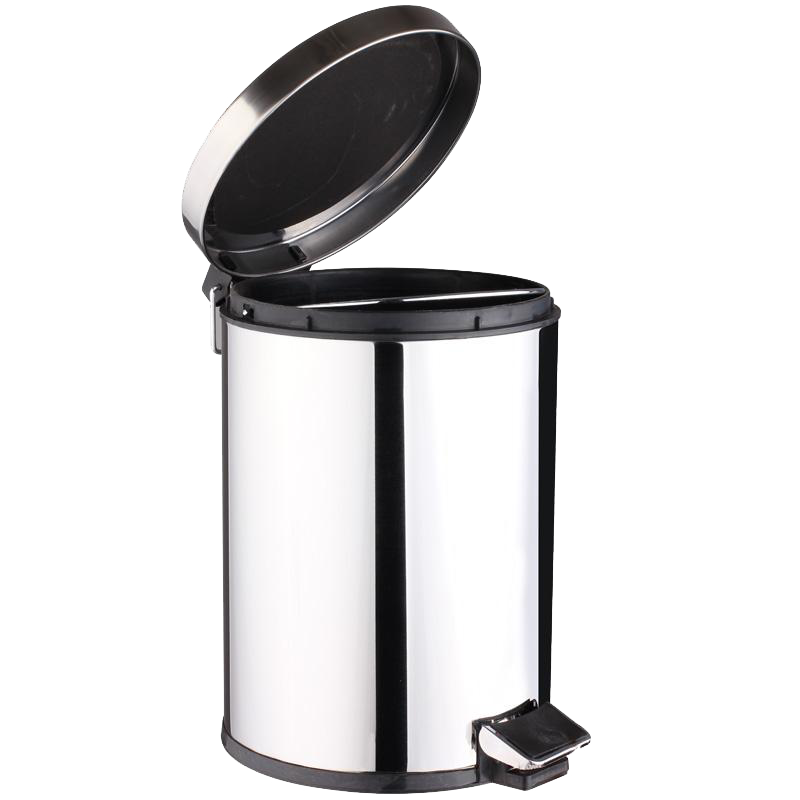
- PPE Disposal: Ideally, we will have a foot operated rubbish bin located by our handwashing facilities. This enables a smooth flow in removal of PPE, disposal of the PPE and subsequent handwashing.
- Always use a liner that we can simply tie off at the top, remove and prepare for disposal.
- PPE disposal is preferable to be incinerated, although safe disposal into general waste and rubbish removal is acceptable once secured into a tied off or sealed rubbish bag.
- Ensure there are not sharps such as needles or lancets disposed of in this manner.
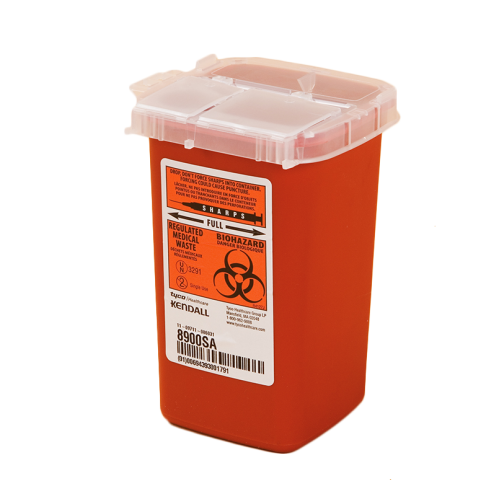
- Sharps Disposal: With initial supplies of test kits, a suitable sharps container should be supplied. These are designed for safe management of sharps items. Only sharps (in our context lancets) should be disposed of in sharps containers.
- Safe sharps management, as described in subsequent lessons, must be adhered to.
- These containers when full can be disposed of via local pharmacies, GP’s, or community health facilities and should be at no charge for disposal.
Summary: Materials and items potentially contaminated, and collectively under the definition of biohazardous materials, are predominately single use medical items that we have discussed in previous sections and lessons for best practice use and disposal. This step in final disposal must be adhered to as part of our Infection Prevention and Control process, and reducing the risk of further exposure for us, our wai ora and our communities.
Any doubts ask your local health providers, pharmacies, GP’s. Even better, raise this with your community groups you may be establishing and include any local, regional, or country supervisors and coordinators you may have.